Sworn on the Altar, Judged by the Crowd: How Ancient Greece Policed Athletic Cheating
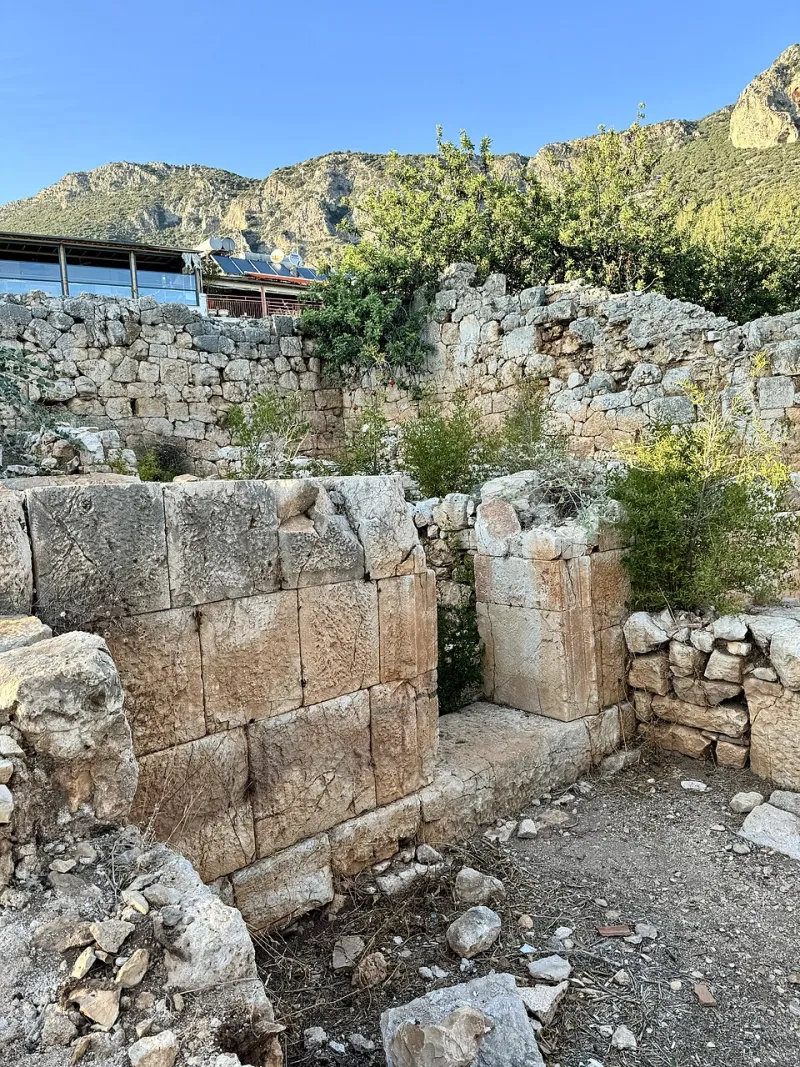
Photo: Kadı, CC BY 4.0, via Wikimedia Commons
Before urine samples. Before carbon isotope testing. Before a single acronym like WADA ever existed, a group of officials standing on a sun-baked plain in western Greece were staring down the same problem that haunts every major sports organization today: how do you stop athletes from cheating when the rewards for winning are almost impossibly large?
The answer they came up with was part legal system, part religious theater, and part public shaming campaign. And the fact that we're still asking the same questions nearly 3,000 years later says something uncomfortable about human nature.
The Stakes Were Never Small
To understand why cheating existed at the ancient Olympics, you have to understand what winning meant. This wasn't a participation-trophy culture. The ancient Greeks had no silver medals, no consolation prizes, no encouraging pats on the back for a solid effort. There was one winner. Everyone else went home empty-handed.
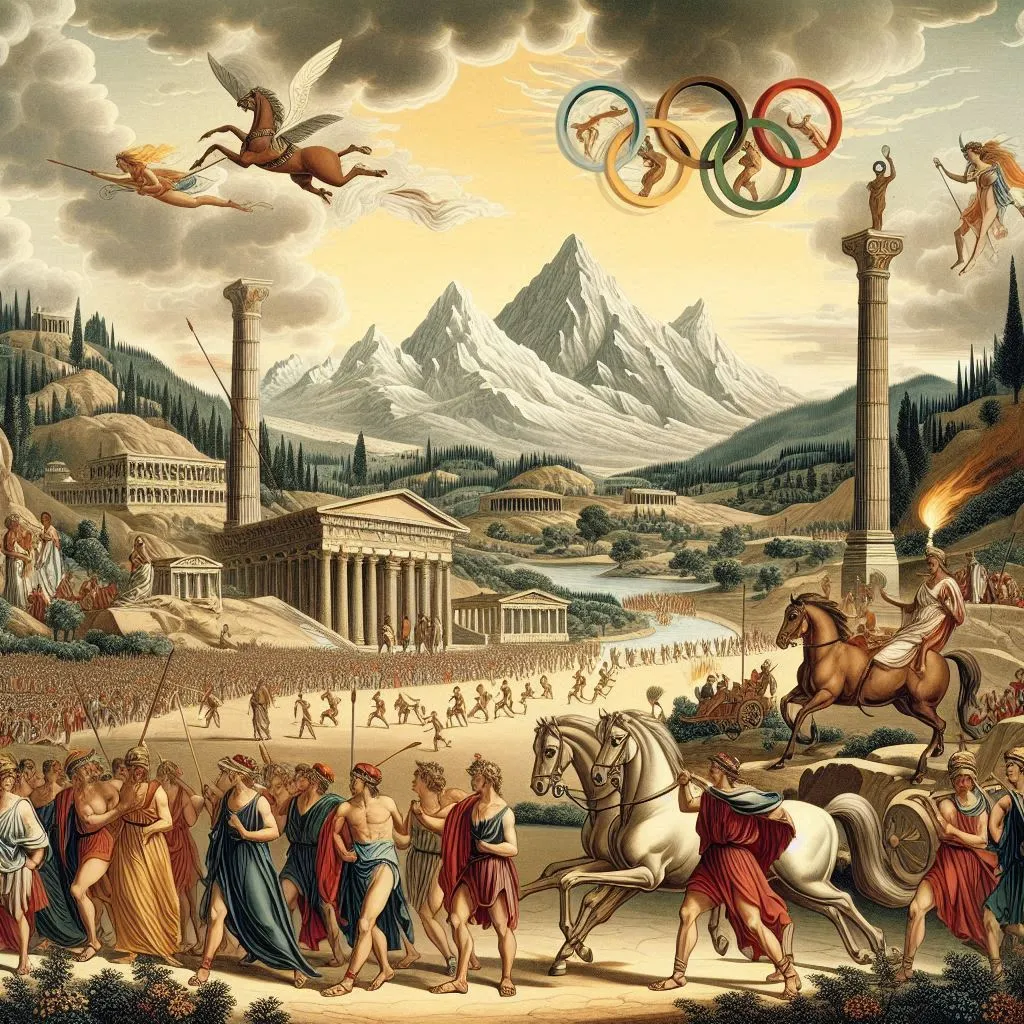 Photo: ancient Olympics, via www.guidetoparis.net
But the winner? The winner came home to free meals for life, front-row seats at civic events, bronze statues in the public square, and odes written in their honor by the greatest poets of the age. In some city-states, victorious athletes were welcomed back through holes knocked into the city walls — a symbolic gesture suggesting that a town capable of producing an Olympic champion no longer needed its gates for protection.
With rewards like that on the table, the temptation to bend the rules wasn't just understandable. It was almost rational.
The Oath at the Feet of Zeus
The ancient Greeks knew this, which is why the anti-cheating infrastructure at Olympia began before a single race was run. Every athlete, trainer, and family member who had traveled to the games was required to stand before a statue of Zeus Horkios — Zeus in his capacity as the god of oaths — and swear that they had prepared honestly, that they were eligible to compete, and that they would not cheat during the competition itself.
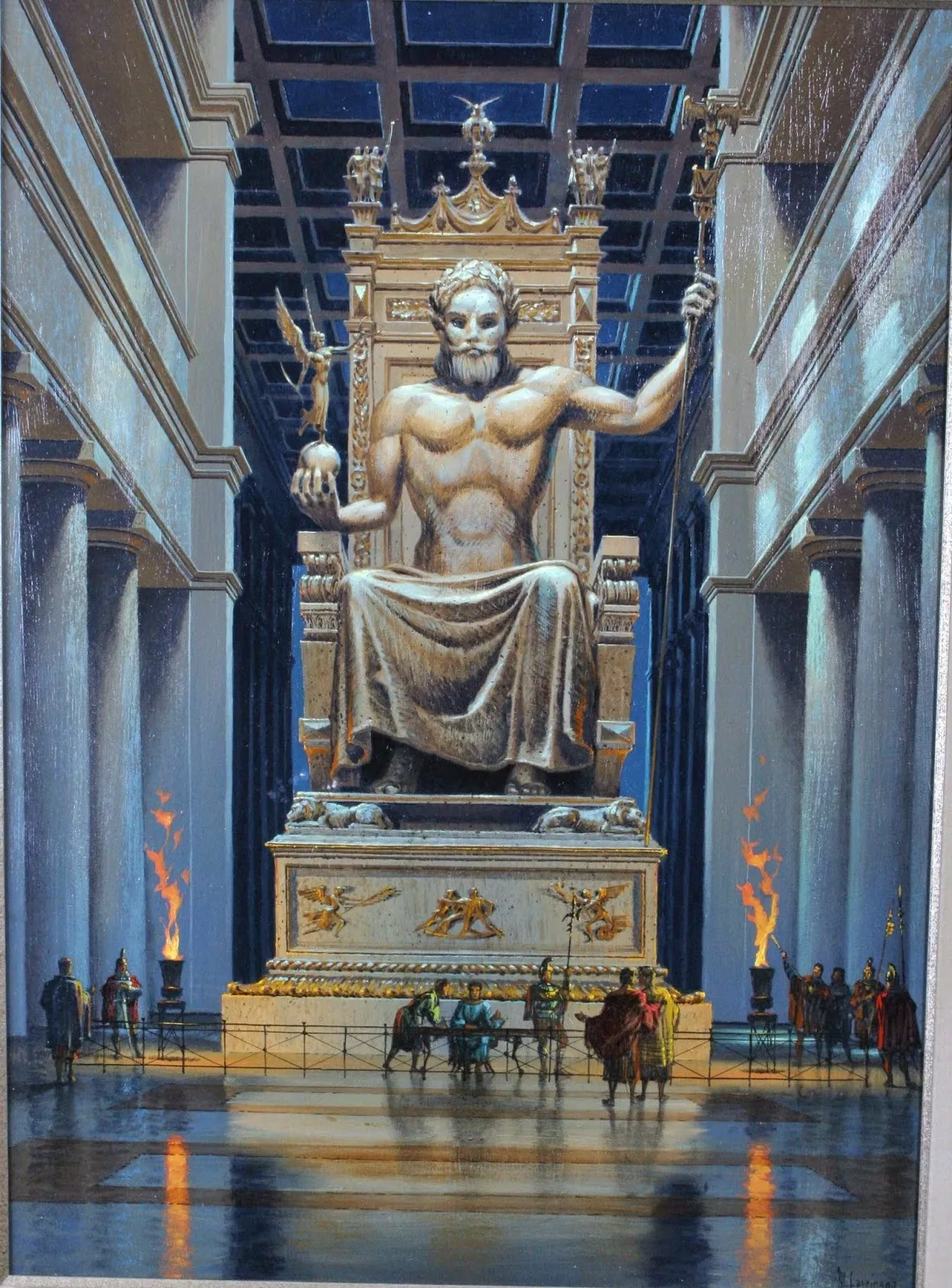 Photo: Zeus Horkios, via 1.bp.blogspot.com
This wasn't a formality. The Greeks took divine oaths with dead seriousness. Perjury before Zeus wasn't just a legal offense; it was an invitation for divine punishment that could follow a man — and his family — across generations. The statue of Zeus Horkios at Olympia reportedly depicted the god holding thunderbolts in both hands, a visual reminder of exactly what awaited anyone who lied at his feet.
The officials overseeing the games, known as the Hellanodikai, were trained for up to ten months before each Olympiad specifically to detect ineligible or dishonest competitors. They reviewed bloodlines, checked citizenship status, and investigated whether athletes had genuinely completed the required training period. By modern standards, this was primitive. By the standards of 500 BC, it was a remarkably organized enforcement apparatus.
When the System Caught You
Oaths and divine threats were the first line of defense. The second was financial. Athletes caught cheating — whether through bribery, false eligibility claims, or violations during competition — were fined heavily. But the money wasn't the punishment that kept people up at night.
The real deterrent was the Zanes.
When an athlete was found guilty of cheating, their fine was used to commission a bronze statue of Zeus. These statues were erected along the processional road leading into the Olympic stadium — the path every competitor walked before competing. By the time the games reached their peak, there were rows of them lining the entrance.
Each statue bore an inscription identifying the cheating athlete by name, their home city, and exactly what they had done wrong. You didn't just lose. You became a permanent warning sign. Every future Olympian walked past your failure on the way to compete. Your disgrace was literally built into the architecture of the sacred site.
We know of at least sixteen such statues from ancient records, though the actual number was almost certainly higher. The earliest recorded case dates to 388 BC, when a boxer named Eupolus of Thessaly bribed three opponents to lose to him. He was caught. The statues went up. His name survived not as a champion but as a cautionary tale.
The Limits of Ancient Enforcement
For all its creativity, the ancient system had obvious gaps. It couldn't detect the herbal preparations, animal organ consumption, and ritual fasting regimens that athletes used to try to gain physical advantages — the practices that a previous From Olympia article explored in detail. The Hellanodikai could catch a bribe and investigate a bloodline, but they had no tools to analyze what an athlete had eaten or ingested.
In that sense, ancient Greek anti-doping enforcement was entirely behavioral. It policed actions that could be witnessed or reported. The internal, physiological edge — the kind that modern anti-doping science spends billions trying to detect — was essentially invisible to them.
This is precisely where the parallel to today becomes most striking.
From Zanes to WADA
The World Anti-Doping Agency was established in 1999, more than two millennia after Eupolus of Thessaly tried to buy his way to an Olympic title. Its annual budget now runs into the tens of millions of dollars. It employs scientists, lawyers, and investigators across dozens of countries. Its prohibited substances list runs to hundreds of compounds.
And yet the fundamental problem it's trying to solve is identical to the one the Hellanodikai faced: human beings who want to win badly enough will look for an edge, and some of them will cross lines to find it.
The tools have changed beyond recognition. The sworn oath before a thunderbolt-clutching statue has been replaced by biological passport programs and gas chromatography. The public shaming statue has been replaced by press releases and four-year bans. But the underlying dynamic — authority figures trying to hold the line against athletes who are always one step ahead — has remained constant across three thousand years of competitive sport.
What It Actually Tells Us
There's a tempting narrative that frames cheating as a modern corruption of sport — a symptom of professionalism, television money, and the pressure of a 24-hour news cycle. The ancient Greeks blow that narrative apart completely.
Cheating at the Olympics is as old as the Olympics. The desire to win at any cost predates performance-enhancing drugs, predates sports science, predates the concept of a world record. It predates almost everything we associate with modern athletics.
What Olympia's enforcement system actually reveals is something more interesting than simple moral failure. It reveals that humans have always understood, at some level, that competition is only meaningful if it's fair — and that they've always been willing to invest significant resources in trying to protect that fairness, even when the methods were crude and the enforcement imperfect.
The Zanes are gone. The bronze has long since been melted down or buried. But every time a governing body suspends an athlete for a doping violation, they're doing exactly what those officials in western Greece were doing: trying to make the game worth playing.
Some problems, it turns out, don't get solved. They just get more expensive.