When America Discovered Olympic Gold: How Los Angeles 1984 Created the Modern Sports Spectacle
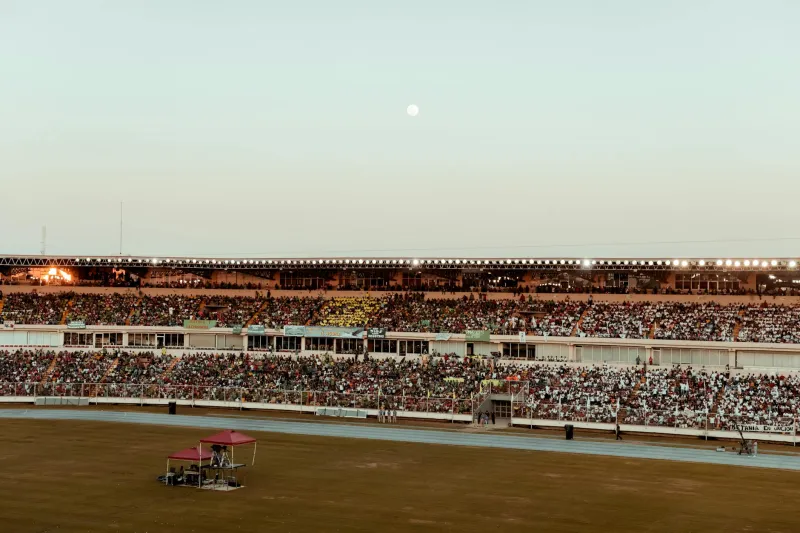
In ancient Olympia, spectators sat on hillsides watching naked athletes compete for olive wreaths while vendors sold cheese and wine. Twenty-eight centuries later, 2.5 billion people watched the 1984 Los Angeles Olympics from their living rooms, witnessing the birth of the modern sports entertainment industry.
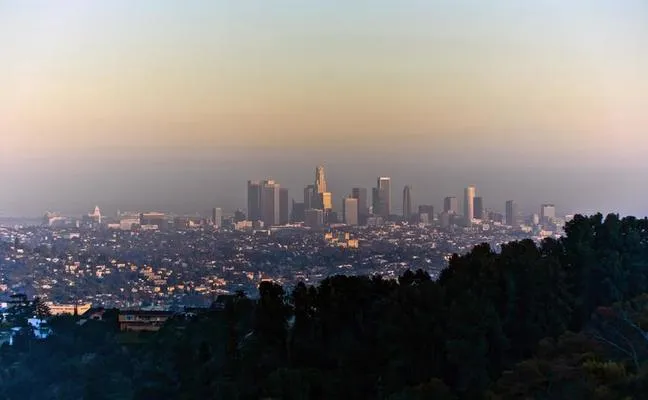 Photo: Los Angeles, via static.vecteezy.com
The transformation wasn't gradual — it was explosive. In a single summer, the Olympics evolved from a money-losing international obligation into America's newest obsession, complete with celebrity athletes, corporate mascots, and enough patriotic pageantry to make the ancient Greeks dizzy.
The Prime-Time Revolution
Before 1984, most Americans experienced the Olympics through delayed highlights and newspaper coverage. The Games happened somewhere else, to other people, at inconvenient times. Los Angeles changed everything by turning the Olympics into appointment television.
ABC paid $225 million for broadcast rights — a staggering sum that forced the network to treat the Games like a prime-time drama series. They created storylines, built suspense, and turned athletes into characters viewers could root for or against. Mary Lou Retton became America's sweetheart. Carl Lewis chased four gold medals like a real-life superhero. The Soviets boycotted, making every American victory feel like a Cold War triumph.
 Photo: Carl Lewis, via puui.qpic.cn
The ancient Olympics lasted five days and drew maybe 40,000 spectators to Olympia. LA '84 stretched across 16 days and reached more people than any event in human history. The Greeks honored Zeus with their festival; Americans honored television ratings.
Corporate Olympics Are Born
Peter Ueberroth, the organizing committee president, solved a fundamental problem that had plagued modern Olympics: they always lost money. His solution was revolutionary — turn corporate America into Olympic partners.
Coca-Cola didn't just buy advertising; they became the "Official Soft Drink of the Olympics." McDonald's created scratch-off games tied to American medal wins. Suddenly, rooting for Team USA meant supporting American brands.
The ancient Greeks would have been horrified. Their Olympic festival banned commerce inside the sacred precinct. Vendors stayed outside, and athletes competed for glory alone. But Ueberroth's corporate Olympics generated a $215 million profit, proving that sports and business could create something bigger than either could achieve alone.
The Star-Spangled Spectacle
Opening ceremonies in ancient Olympia featured religious processions and animal sacrifices. Los Angeles delivered rocket packs, card sections spelling "WELCOME," and enough red, white, and blue to paint a small country.
The ceremony lasted four hours and cost $15 million — more than entire ancient Olympic festivals. But it worked. Americans who had never cared about track and field suddenly knew the difference between the 100 meters and 110-meter hurdles. Swimming became must-see TV. Even rhythmic gymnastics found an audience.
Creating the Template
Every element of modern Olympic coverage traces back to LA '84. The focus on personal stories? ABC pioneered athlete profiles that made viewers care about competitors they'd never heard of. The emphasis on medal counts? Networks needed simple ways to track "winning" across hundreds of events. The celebrity athlete phenomenon? Carl Lewis and Mary Lou Retton became household names because television made them accessible.
The ancient Olympics celebrated athletic excellence within a religious framework. Modern Olympics, as perfected in Los Angeles, celebrate athletic excellence within an entertainment framework. Both formulas worked — they just served different gods.
The Legacy Lives On
Today's Olympic broadcasts still follow the LA '84 playbook. NBC pays billions for Olympic rights because Ueberroth proved the Games could deliver massive audiences. Corporate sponsorships fund everything from training centers to athlete stipends. Opening ceremonies compete to top previous spectacles.
The 1984 Los Angeles Olympics didn't just happen in America — they became American. They transformed a international sporting event into a reflection of American values: bigger, louder, more commercial, and absolutely irresistible to watch.
From the sacred grove of Olympia to the soundstages of Hollywood, the Olympic Games evolved to match their host culture. The ancient Greeks created athletic competition; Los Angeles created sports entertainment. Both legacies endure, but only one pays the bills.