The World's First Coaching Tree: How Ancient Greece Created the Blueprint for Every Championship Dynasty
Before There Were Whistles
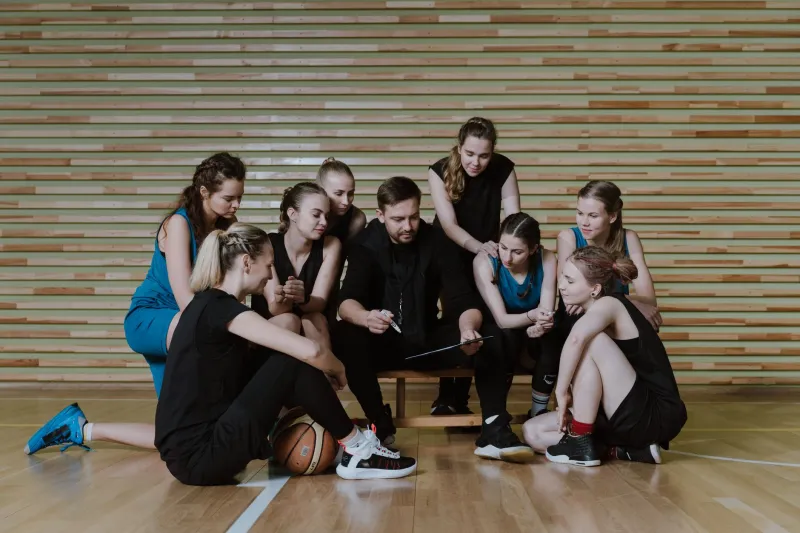
Walk into any American gym today and you'll see something that would look remarkably familiar to an ancient Greek: athletes working with specialized coaches who study technique, manage training loads, and develop mental toughness. What you might not realize is that this entire profession—coaching as we know it—was invented in ancient Greece around the 6th century BC.
The Greeks called them paidotribes, which literally meant "child rubber," because they massaged young athletes after training. But these weren't just glorified massage therapists. They were the world's first professional athletic development specialists, and they created a systematic approach to building champions that modern coaching staffs are still perfecting.
The Science of Ancient Strength
Greek paidotribes understood something that took modern sports science centuries to rediscover: that athletic excellence requires more than just natural talent. They developed training periodization, rotating between different types of exercises to build strength, speed, and endurance. They studied biomechanics, breaking down the perfect discus throw or sprint start into teachable components.
Most importantly, they understood that mental preparation was just as crucial as physical conditioning. Greek coaches developed visualization techniques, confidence-building exercises, and pre-competition routines that wouldn't look out of place in a modern sports psychology textbook. They knew that champions were made in the mind as much as the gymnasium.
Consider Milo of Croton, the legendary wrestler who won six Olympic titles. His success wasn't just about natural ability—it was about working with coaches who understood progressive overload training. The famous story about Milo carrying a growing calf until it became a bull? That's actually a sophisticated training methodology disguised as folklore.
 Photo: Milo of Croton, via www.bestthingstodo.co.uk
Building the First Coaching System
What made Greek coaching revolutionary wasn't just individual innovation—it was systematic knowledge transfer. Successful paidotribes took on apprentices, creating the world's first coaching trees. Master trainers passed down techniques, philosophies, and methods through generations of students who became coaches themselves.
This wasn't informal mentorship. Greeks created formal schools for athletic training, complete with standardized curricula and certification processes. The gymnasium wasn't just a place to work out—it was a professional development center where future coaches learned their craft alongside future champions.
The parallels to modern coaching development are striking. Just as today's successful coaches often come from specific coaching trees (think about how many NFL head coaches worked under Bill Walsh or Bill Parcells), ancient Greek athletics was dominated by lineages of trainers who shared similar philosophies and methods.
 Photo: Bill Parcells, via assetsio.reedpopcdn.com
 Photo: Bill Walsh, via leguidedelartiste.com
The Psychology of Ancient Champions
Greek coaches pioneered what we'd now call sports psychology. They understood that elite athletes needed more than physical preparation—they needed mental frameworks for handling pressure, setbacks, and success. Paidotribes developed mantras, breathing techniques, and mental rehearsal exercises that helped athletes perform under pressure.
They also understood team chemistry and leadership development. Even in individual sports like wrestling or running, Greek coaches worked with groups of athletes, fostering competitive environments that pushed everyone to improve. They created training partnerships, mentorship relationships, and support systems that maximized each athlete's potential.
The ancient coaching approach to mental toughness was particularly sophisticated. Rather than just telling athletes to "be tough," Greek trainers created specific challenges and scenarios that gradually built psychological resilience. They understood that confidence came from preparation, and they designed training programs that gave athletes unshakeable belief in their abilities.
Innovation Through Competition
Greek coaches were also the first to understand that innovation required experimentation. They constantly tested new training methods, dietary approaches, and competitive strategies. The best paidotribes were part scientist, part artist, always looking for edges that could give their athletes advantages.
This experimental mindset led to breakthrough innovations that modern coaches still use. Greeks developed interval training, cross-training, and recovery protocols. They studied nutrition, sleep, and lifestyle factors that affected performance. They even understood the importance of varying training environments—moving between different locations and conditions to prepare athletes for competition challenges.
The competitive environment among coaches also drove innovation. Just as modern coaching staffs study film and develop new strategies to gain advantages, ancient Greek trainers constantly shared, borrowed, and improved upon each other's methods. The best ideas spread quickly through the coaching community.
The American Coaching Evolution
When you watch a modern American coaching staff at work—position coaches specializing in specific skills, coordinators managing overall strategy, head coaches leading the entire program—you're seeing the direct descendant of ancient Greek innovation. The specialization, systematic development, and knowledge transfer that defines modern coaching all trace back to those original paidotribes.
American sports took the Greek coaching model and scaled it up dramatically. Where ancient trainers might work with a handful of elite athletes, modern programs develop hundreds or thousands of players through systematic approaches. But the core principles remain the same: individualized development, progressive challenge, mental preparation, and continuous innovation.
The coaching tree concept that's so central to American sports culture—where successful assistants become head coaches who hire their own assistants—is a direct continuation of the ancient Greek apprenticeship system. When we talk about coaching lineages and philosophical traditions, we're describing the same knowledge transfer process that began in ancient gymnasiums.
Lessons from the Original Playbook
What can modern American coaches learn from their ancient Greek predecessors? First, that athlete development is a holistic process requiring attention to physical, mental, and emotional factors. Greek paidotribes understood that champions weren't just physically superior—they were psychologically prepared for excellence.
Second, that innovation requires systematic experimentation and knowledge sharing. The best ancient coaches constantly tested new approaches and shared successful methods with their peers. Modern coaching staffs that embrace this same experimental mindset tend to stay ahead of their competition.
Finally, that coaching is ultimately about human development, not just athletic performance. Greek trainers understood that they were shaping not just competitors, but citizens and leaders. The best modern coaches maintain this same perspective, recognizing that their influence extends far beyond wins and losses.
The Eternal Coaching Challenge
The ancient Greek approach to coaching reminds us that the fundamental challenge of developing human potential hasn't changed in 2,500 years. Whether you're preparing for the ancient Olympics or the modern Super Bowl, success requires the same combination of systematic preparation, mental toughness, and innovative thinking.
Every time a coach draws up a practice plan or develops a game strategy, they're continuing work that began in ancient Greek gymnasiums. The tools have evolved, but the mission remains the same: helping athletes discover what they're truly capable of achieving.