Before March Madness and the Super Bowl: The Ancient Greek Circuit That Invented Professional Sports
LeBron James chases NBA championships. Tom Brady collected Super Bowl rings. College athletes dream of March Madness glory. But 2,500 years before these modern quests began, ancient Greek athletes were already traveling a professional circuit, dedicating their lives to pursuing victories at four great festivals that defined athletic excellence.
The Greeks called it the periodos — the circuit. We call it the blueprint for every professional sports league that followed.
The Big Four of Ancient Greece
While modern America organizes its sports calendar around the NFL, NBA, MLB, and NHL seasons, ancient Greece revolved around four Panhellenic festivals: the Olympic Games at Olympia, the Pythian Games at Delphi, the Isthmian Games at Corinth, and the Nemean Games at Nemea.
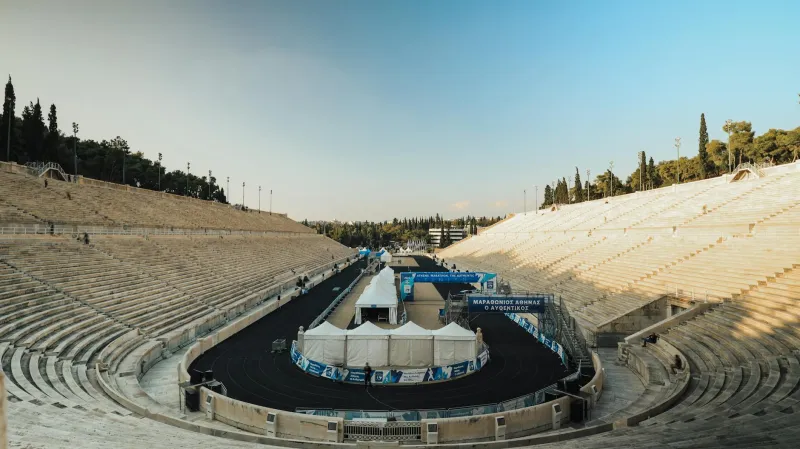
 Photo: Olympic Games, via www.quizinside.com
Each festival honored a different god and offered unique prizes, but together they created something revolutionary — a standardized competition system that allowed athletes to build careers, accumulate victories, and achieve lasting fame.
The Olympic Games, held every four years, were the Super Bowl of the ancient world. Victory at Olympia brought lifetime glory and practical rewards like free meals and tax exemptions. The Pythian Games, held every four years at Apollo's shrine in Delphi, ranked second in prestige and featured musical competitions alongside athletics. The Isthmian and Nemean Games, held every two years, filled the gaps and gave athletes more opportunities to compete.
The Ancient Season
Unlike modern sports with defined seasons, the Greek circuit operated on a four-year cycle called an Olympiad. Athletes could compete at Isthmia and Nemea twice during each Olympic cycle, with Pythia and Olympia anchoring the schedule.
This rotation created natural rhythms that athletes planned their entire careers around. Young competitors might focus on the more frequent Isthmian and Nemean Games to gain experience. Established stars saved their peak performances for Olympia and Delphi. Veterans often specialized in specific festivals where they'd achieved past success.
Sound familiar? Modern athletes follow the same patterns. Basketball players peak for the playoffs. Golfers target majors. Tennis players organize their seasons around Grand Slams.
The Professional Athlete Is Born
By the 5th century BC, successful Greek athletes had become full-time professionals. They trained year-round, hired coaches, followed specialized diets, and traveled constantly between competitions. Cities recruited star athletes and provided financial support in exchange for victories that brought civic pride.
These weren't amateur gentlemen competing for fun — they were elite performers whose athletic success determined their economic survival. Winners received valuable prizes: bronze tripods, fine clothing, weapons, and cash. More importantly, victories opened doors to sponsorship deals with wealthy patrons and lucrative teaching positions.
The parallels to modern professional sports are striking. Ancient athletes had agents (called "trainers"), endorsement deals (wealthy sponsors), and transfer opportunities (cities competing for their services). The Greeks invented athletic professionalism 2,000 years before anyone thought to pay baseball players.
Creating Athletic Legends
The four-festival circuit produced Greece's first sports celebrities. Milo of Croton won wrestling titles at all four festivals multiple times, becoming the ancient equivalent of a multi-sport champion. Diagoras of Rhodes achieved victories at Olympia, Pythia, Isthmia, and Nemea, then watched his sons and grandsons continue the family tradition.
 Photo: Milo of Croton, via m.media-amazon.com
These athletes achieved something modern sports fans understand perfectly — they became household names whose achievements transcended their specific competitions. Milo's strength became legendary. Diagoras's family dynasty inspired poets. Their fame lasted centuries, passed down through stories that sound remarkably like the sports mythology we create today.
The Template for Everything That Followed
Every element of modern professional sports traces back to the Greek circuit. The concept of a "season" with multiple important competitions? The Greeks invented it. The idea that athletes could make careers from competition? They proved it worked. The notion that different venues could host equally prestigious events? The four festivals established the precedent.
Even the specific structure feels familiar. The Olympics served as the ultimate championship, like the Super Bowl or World Series. The Pythian Games offered prestige with cultural elements, like Wimbledon's tradition and history. The Isthmian and Nemean Games provided regular opportunities for competition and prize money, like the tour events that fill out professional sports calendars.
From Sacred Groves to Stadium Lights
The ancient circuit operated within religious frameworks — each festival honored specific gods and included sacred rituals alongside athletic competition. Modern professional sports replaced religious significance with commercial value, but the underlying structure remains identical.
Athletes still organize their careers around major competitions. They still peak for the biggest events while using smaller competitions for preparation and prize money. They still achieve fame and fortune through athletic excellence, just as Milo and Diagoras did 25 centuries ago.
The Greeks didn't just invent athletic competition — they created the professional sports industry. From the sacred groves of Olympia to the billion-dollar stadiums of today, the template remains unchanged: give elite athletes multiple opportunities to compete, create hierarchies of prestige, and watch human excellence flourish within organized systems.
Every time you watch March Madness or follow playoff races, you're witnessing the Greek circuit in action. The venues changed, the gods evolved into corporate sponsors, but the fundamental insight remains: great athletes need great stages, and great competitions need great athletes. The ancient Greeks figured that out first.