The Original Scoreboard: How Ancient Greeks Kept Track of Olympic Winners Before the Internet Existed
When Victory Meant Immortality
Imagine winning the Super Bowl, but instead of getting a trophy and a parade, your name gets carved into stone for all eternity. That's essentially what happened to Olympic champions in ancient Greece — except the stakes felt even higher.
While modern sports fans obsess over statistics, rankings, and record books, the ancient Greeks invented the very concept of preserving athletic achievement. They understood something fundamental: great performances deserve to be remembered forever. What they created was the world's first comprehensive sports record-keeping system, one that would make ESPN's database look simple by comparison.
The Stone Age of Sports Statistics
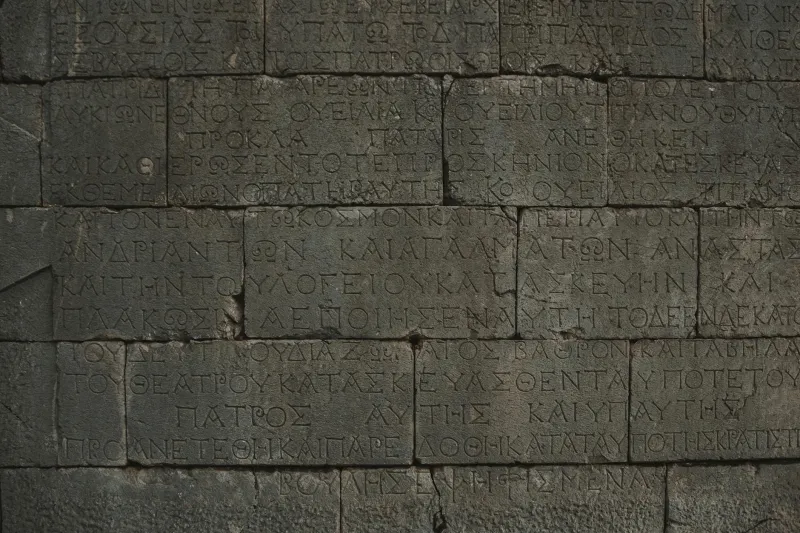
At Olympia, the sacred site where it all began, officials didn't just crown winners — they documented them. Stone inscriptions called "victor lists" served as the ancient world's equivalent of record books. These weren't casual mentions either. Each entry included the athlete's name, hometown, event, and year of victory, carved deep into marble that was meant to last millennia.
The most famous of these records was the Oxyrhynchus Papyrus, a detailed list of Olympic victors spanning centuries. Think of it as the ancient world's version of the Baseball Hall of Fame records, except it covered nearly 1,200 years of competition. Every four years, new names joined the immortal roster.
But here's what's remarkable: these weren't just local records. News of Olympic victories traveled across the entire Greek world, from Sicily to the Black Sea. Winning at Olympia was like hitting a walk-off home run in Game 7 of the World Series — except the fame lasted for generations.
The Original Sports Broadcasters
Long before SportsCenter highlights, ancient Greece had something even better: epic poets who turned athletic victories into legendary tales. The most famous was Pindar, essentially the ancient world's version of a sports broadcaster crossed with a Grammy-winning songwriter.
Pindar didn't just report results — he transformed them into poetry that elevated athletes to near-mythical status. His victory odes were performed at banquets, festivals, and civic celebrations, spreading an athlete's fame far beyond their hometown. Imagine if every touchdown pass or home run got its own custom song that people sang for decades afterward.
These poems served a crucial function: they preserved not just who won, but how they won. Pindar described racing strategies, training regimens, and the emotional moments of victory with the detail of a modern sports documentary. Through his words, we know that ancient Greek crowds were just as passionate as modern American sports fans, erupting in cheers that "shook the earth."
Beyond the Podium: Tracking Athletic Dynasties
The Greeks didn't just record individual victories — they tracked athletic families and dynasties across generations. They understood that greatness often ran in bloodlines, documenting father-son champion combinations and multi-generational athletic powerhouses.
Take the family of Diagoras of Rhodes, whose Olympic victories in boxing were followed by his sons' triumphs in the same sport. The Greeks tracked these family legacies like we follow the Manning or Curry families in modern sports. They even had a term for it: "athletic heredity."
This wasn't just casual record-keeping — it was serious business. Greek cities competed not just for individual glory, but for their cumulative Olympic legacy. They kept running tallies of total victories, like modern medal counts at the Summer Olympics. Some cities hired official "victory recorders" whose sole job was maintaining these athletic archives.
The Price of Permanent Fame
What made ancient Olympic record-keeping so powerful was its permanence. In a world without mass media, being recorded as an Olympic victor was the closest thing to guaranteed immortality. These records weren't stored in some dusty archive — they were displayed prominently in temples, town squares, and public buildings.
Cities would commission statues of their Olympic champions, complete with inscriptions detailing their victories. The athlete's hometown would often declare public holidays in their honor, and their names would be invoked in prayers and civic ceremonies. It was like having your jersey retired, getting a statue outside the stadium, and having a street named after you all at once.
The psychological impact was enormous. Athletes trained not just for four years of fame, but for eternal recognition. They knew that victory at Olympia meant their great-grandchildren would still be talking about their achievements centuries later.
From Stone Tablets to Digital Databases
Today's sports statistics industry — worth billions of dollars and employing thousands of analysts — traces its roots directly back to those ancient Greek stone carvers and poet-chroniclers. The fundamental human desire to rank, compare, and preserve athletic achievement hasn't changed in nearly three millennia.
Modern technology has simply amplified what the Greeks started. Where they had stone inscriptions, we have digital databases. Where they had traveling poets, we have instant replay and social media highlights. But the core mission remains identical: ensuring that extraordinary athletic performances are never forgotten.
The next time you check a baseball stat or watch a highlight reel, remember that you're participating in a tradition that began on the dusty plains of ancient Olympia. Those Greek officials who carefully carved names into stone understood something timeless: in sports, being remembered is the ultimate victory.