When Champions Ate Raw Meat and Drank Victory Wine: The Bizarre Ancient Olympic Diet That Actually Built Winners
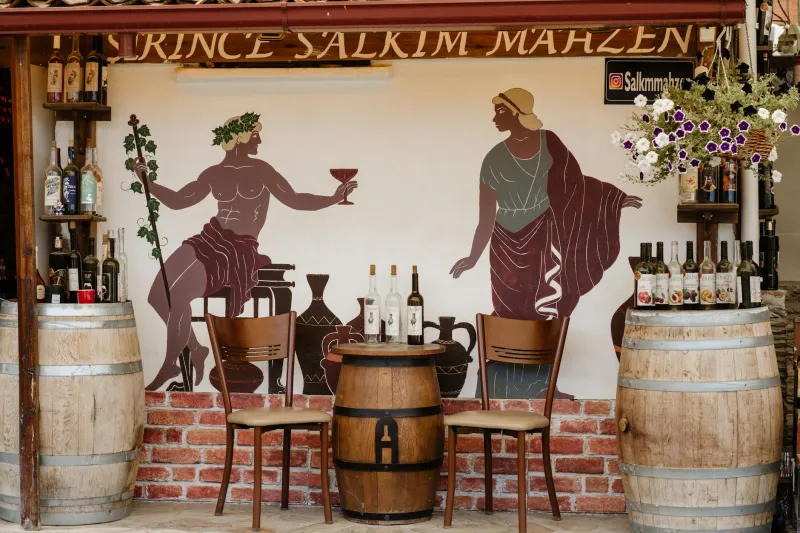
Walk into any modern Olympic training facility, and you'll find athletes meticulously measuring protein powder, timing carbohydrate intake, and consulting with teams of nutritionists about optimal meal timing. Travel back 2,500 years to ancient Olympia, and you'd witness something that would make today's sports scientists faint: champions gnawing on raw bull meat, washing it down with wine, and believing that eating lion hearts would transfer courage directly into their souls.
The ancient Olympic diet wasn't just different from modern athletic nutrition—it was downright shocking by today's standards. Yet these seemingly barbaric eating habits helped create some of the most legendary athletes in human history.
The Meat-Heavy Foundation of Ancient Champions
Ancient Greek athletes built their training around one core belief: you become what you eat, literally. If you wanted the strength of a bull, you ate bull meat—preferably raw to preserve its "vital essence." The legendary wrestler Milo of Croton, who won six Olympic crowns, reportedly consumed 20 pounds of meat daily, along with 20 pounds of bread and 18 pints of wine.
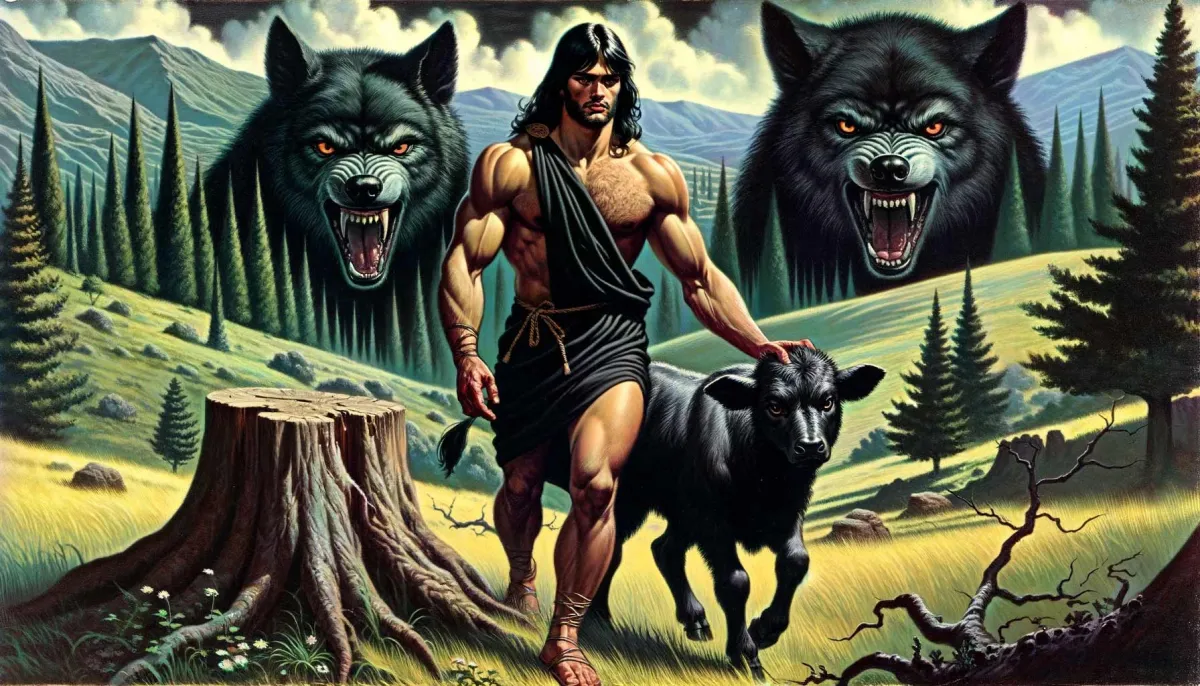 Photo: Milo of Croton, via wordandsorcery.com
This wasn't just bravado. Ancient Greeks understood that muscle required protein, even if they couldn't explain the science behind amino acids and muscle synthesis. Their instinct to prioritize animal protein was remarkably sound, even if their methods were extreme.
Modern Olympic athletes typically consume 1.2 to 2.0 grams of protein per kilogram of body weight. A 180-pound athlete might eat 100-160 grams of protein daily. Milo, if the accounts are accurate, was consuming nearly 3,600 grams—roughly 20 times the modern recommendation. While that's clearly excessive, the Greeks had identified protein as the foundation of athletic performance centuries before modern science caught up.
Wine as a Performance Enhancer
Perhaps nothing illustrates the gap between ancient and modern sports nutrition like the role of alcohol. Today's elite athletes typically avoid alcohol entirely during competition periods, knowing it impairs recovery, dehydrates the body, and disrupts sleep patterns.
Ancient Olympians, however, considered wine essential to their success. They believed it purified the blood, provided energy, and—most importantly—connected them to Dionysus, the god of strength and ecstasy. Athletes would drink diluted wine before training and consume stronger mixtures after competition as part of recovery rituals.
Interestingly, modern research has found that moderate wine consumption can provide antioxidants and potentially aid in cardiovascular health. The Greeks might have stumbled onto something, even if their reasoning was mythological rather than scientific.
The Cheese and Honey Power Combination
While the meat consumption gets most of the attention, ancient Olympic athletes relied heavily on two other staples: fresh goat cheese and wild honey. This combination provided what we now recognize as an ideal balance of protein, fats, and simple carbohydrates for quick energy and sustained performance.
Goat cheese delivered high-quality protein and calcium for bone strength—crucial for athletes competing in wrestling, boxing, and the violent pankration. Honey provided immediate energy that could fuel explosive movements in sprinting and jumping events. Together, they created a pre-workout snack that modern athletes might recognize as surprisingly effective.
Today's Olympic athletes achieve similar nutritional goals with protein bars, energy gels, and carefully timed carbohydrate loading. The Greeks were accomplishing the same objective with ingredients they could find in any local market.
Ritual Foods and Mental Performance
Ancient Olympic nutrition wasn't just about physical fuel—it was deeply psychological. Athletes consumed specific foods not just for their nutritional value, but for their symbolic power. Lion meat for courage. Eagle hearts for speed. Bull testicles for strength and virility.
While modern science dismisses these practices as superstition, sports psychology recognizes the power of ritual and belief in athletic performance. If an ancient athlete believed that eating lion meat would make him fearless in competition, that confidence could translate into measurably better performance.
Modern athletes create their own nutritional rituals—LeBron James's pre-game apple and peanut butter, Usain Bolt's chicken nuggets before breaking world records. The foods may have changed, but the psychological importance of eating routines remains constant.
What Ancient Athletes Got Right
Despite their seemingly primitive approach, ancient Greek athletes understood several nutritional principles that modern science has validated:
Protein prioritization: They recognized that muscle building required animal protein, even if they took it to extremes.
Timing matters: Athletes ate their heaviest meals after training, allowing for better digestion and recovery—a practice modern athletes call "nutrient timing."
Whole foods focus: Their diet consisted entirely of unprocessed, natural ingredients—no artificial supplements or refined sugars.
Hydration awareness: While they preferred wine to water, they understood the importance of fluid intake during intense physical activity.
The Modern Olympic Table
Today's Olympic athletes follow nutrition plans that would seem impossibly complex to ancient Greeks. Swimmers like Katie Ledecky consume up to 9,000 calories daily during peak training, carefully balanced between carbohydrates (60%), proteins (15%), and fats (25%). They time their meals around training sessions, consume specific supplements for recovery, and avoid alcohol entirely.
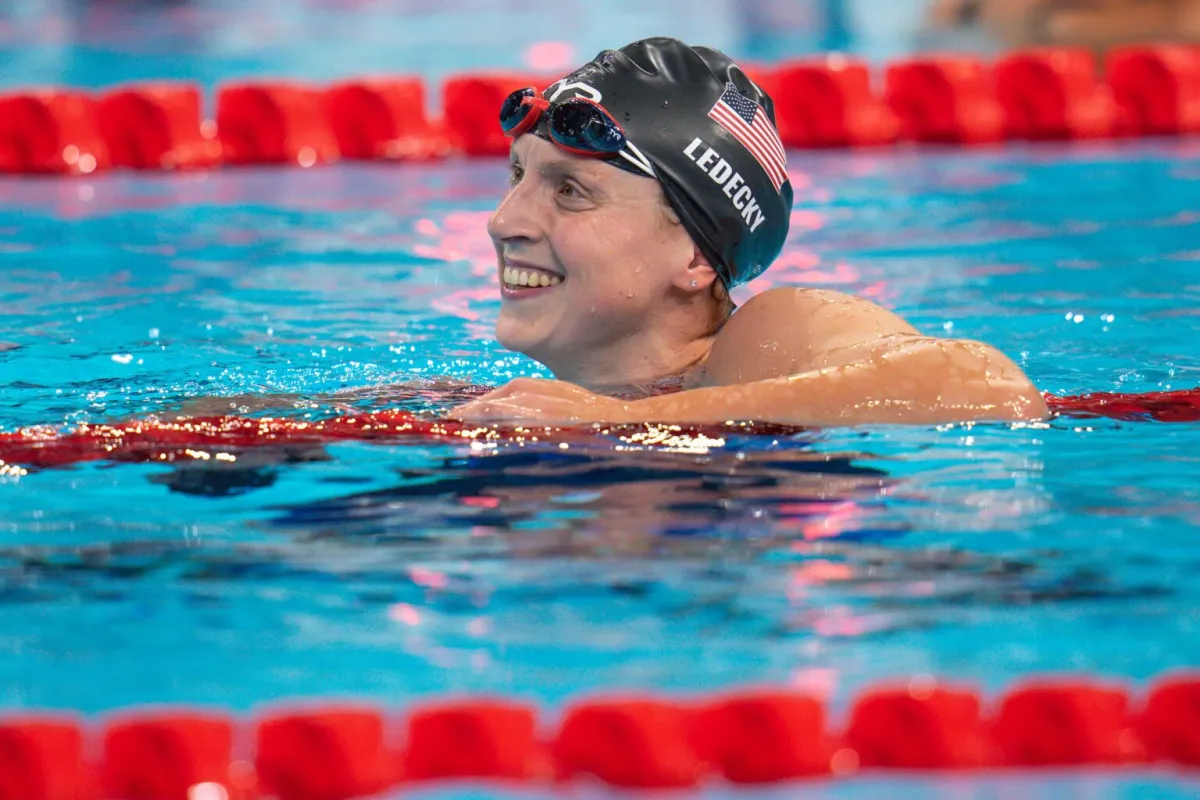 Photo: Katie Ledecky, via swimswam.com
The average modern Olympic athlete's diet includes lean proteins like chicken and fish, complex carbohydrates from whole grains, and healthy fats from nuts and avocados. They hydrate with precisely formulated sports drinks and recover with protein shakes containing exact amino acid profiles.
The Timeless Truth About Fuel and Performance
The gulf between ancient and modern Olympic nutrition reveals how much we've learned about human physiology—and how little has changed about the fundamental relationship between food and athletic excellence. Ancient Greeks understood that exceptional performance required exceptional fuel, even if their methods seem bizarre by today's standards.
Whether it's Milo's 20 pounds of raw meat or Michael Phelps's 12,000-calorie daily intake during Beijing 2008, Olympic champions have always pushed nutritional boundaries in pursuit of victory. The foods have evolved, the science has advanced, but the principle remains the same: to perform like a champion, you must fuel like one.
The next time you see a modern athlete carefully measuring their post-workout protein shake, remember they're participating in a tradition that stretches back to ancient Olympia—where champions believed the right food could transform mere mortals into legends.