Ancient Greece Had NIL Deals Too — They Just Called Them Something Else
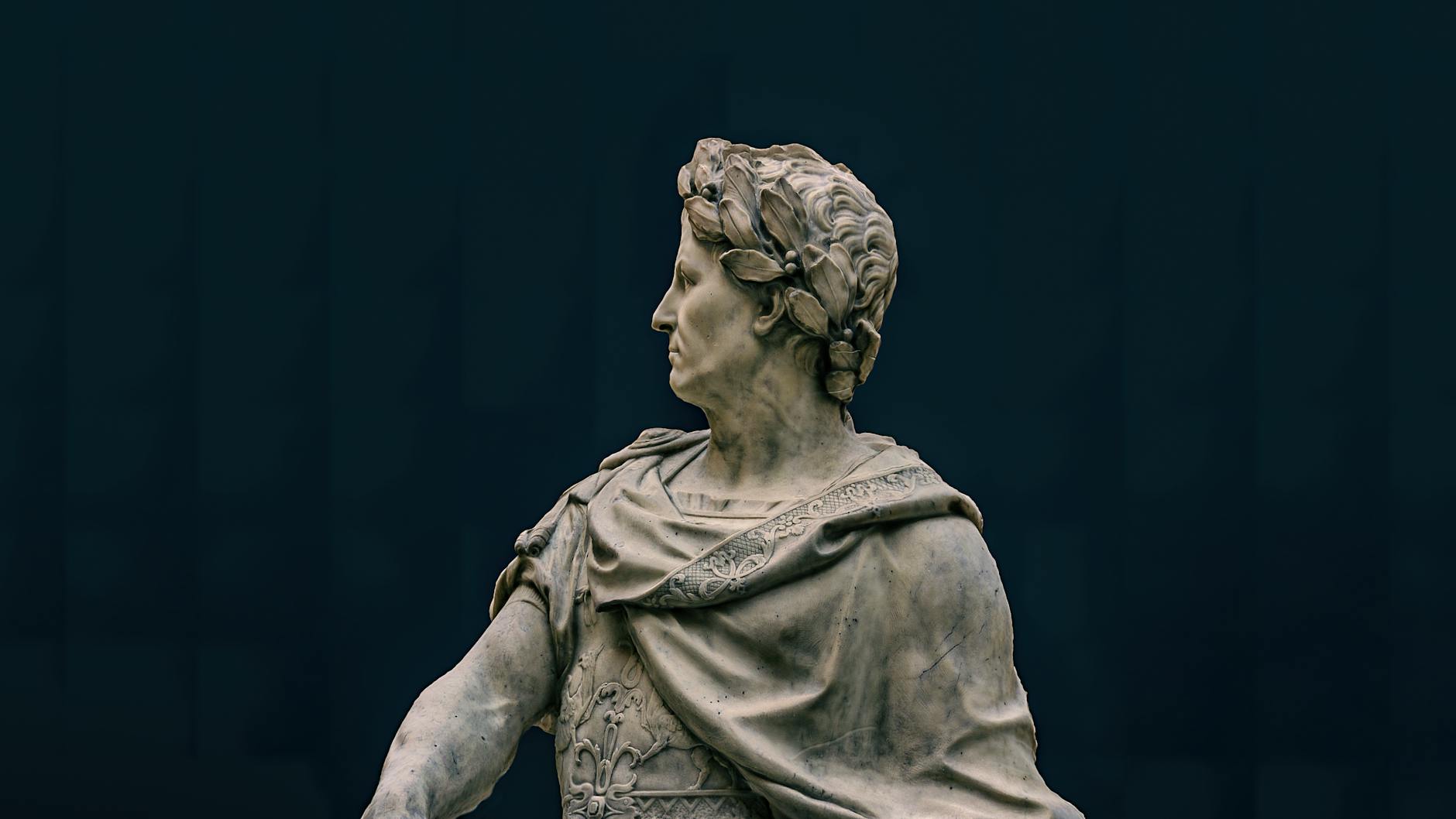
For most of the 20th century, the Olympic movement wrapped itself in a romantic idea: that true sport existed above money, above commerce, and above self-interest. The ideal was called amateurism, and its defenders loved to point back to ancient Greece as proof that competition had once been pure.
There's just one problem. Ancient Greece never got the memo.
The Olive Wreath Was Just the Beginning
Yes, the official prize at the ancient Olympic Games was a kotinos — a wreath woven from wild olive branches cut from a sacred tree near the Temple of Zeus at Olympia. No cash. No gold medal. Just leaves.
But stop the story there and you've told maybe 10% of it.
Victorious athletes returned home to city-states that treated them like conquering heroes — because that's essentially what they were. A win at Olympia brought enormous prestige to the polis that produced the champion. And prestige, in the ancient Greek world, had very real material value.
Cities routinely rewarded Olympic victors with cash payments, free meals for life, front-row seats at public events, and exemption from taxes. Athens, according to the statesman Solon, was paying Olympic champions the equivalent of 500 drachmas as early as the sixth century BC — a sum that could support a family for years. Sparta gave victors the honor of fighting beside the king in battle, which was its own form of social currency in a militarized society.
Poets were hired to immortalize champions. Pindar, one of ancient Greece's most celebrated lyric poets, made a career writing victory odes — commissioned works paid for by wealthy athletes or their patrons. If you won at Olympia and had the budget, you got a Pindar ode. If that's not a sponsorship deal, what is?
Training Full-Time Was the Whole Point
The amateurism myth also collapses when you look at how ancient athletes actually prepared.
Elite competitors didn't train after work. They trained instead of work. Wealthy families — and the city-states that backed promising athletes — funded years of full-time preparation. Gymnasia weren't just gyms; they were state-supported institutions where athletes trained under professional coaches called paidotribes. The infrastructure of ancient Greek athletic development was designed specifically to produce champions at the Panhellenic games, which included not just Olympia but also the Pythian, Isthmian, and Nemean games.
An athlete who competed at this level wasn't squeezing in workouts between a day job at the agora. He was a professional in every functional sense — supported, coached, and sponsored toward a single competitive goal.
City-State Rivalries and the Politics of the Podium
Here's where it gets even more modern-feeling. City-states didn't just celebrate their champions after the fact — they actively recruited them.
Athens might cultivate a promising young wrestler, fund his training, and claim his Olympic victory as a civic achievement. But if a rival city offered better terms, an athlete might switch allegiances. The sprinter Astylos of Croton won multiple events at the ancient Olympics but later competed for Syracuse — reportedly at the invitation (and presumably the financial encouragement) of the Syracusan ruler. His home city of Croton was so furious they tore down his statue and turned his house into a prison.
If that story sounds like a college football recruit choosing between programs, or an NBA free agent switching markets, that's because the underlying dynamics are identical. Talent has always attracted resources. Resources have always followed winning. The ancient Greeks didn't invent competitive athletics — but they absolutely invented competitive recruitment.
The Amateurism Ideal Was Always a Class Project
Fast forward to the late 19th century, when the modern Olympic movement was taking shape. The men who built the new Games — Pierre de Coubertin and the aristocratic circles around him — were deeply invested in the concept of the amateur athlete. Someone who competed for love of sport, not financial gain.
What that actually meant, in practice, was that wealthy athletes who didn't need to be paid could compete, while working-class athletes who depended on prize money or appearance fees were excluded. Jim Thorpe, one of the greatest American athletes of the early 20th century, had his 1912 Olympic medals stripped because he had once been paid a small sum to play minor league baseball. The medals weren't returned until 1983, 30 years after his death.
The amateurism rules weren't a return to ancient ideals. They were a modern invention designed to keep sport in the hands of people who could afford to treat it as a hobby.
From the NCAA to Olympia
The echoes in American sports are impossible to miss. For decades, the NCAA enforced its own version of amateurism — the idea that college athletes should compete for scholarships and institutional glory, not personal compensation. Universities generated billions in revenue from football and basketball programs while the athletes producing that revenue were barred from profiting from their own names and likenesses.
The Supreme Court's 2021 ruling in NCAA v. Alston, followed by the rapid expansion of NIL (Name, Image, and Likeness) rights, finally cracked that structure open. Today, college athletes can sign endorsement deals, build personal brands, and earn real money. It's a transformation that felt radical — until you remember that elite athletes have been navigating the tension between sporting ideals and financial reality since at least 776 BC.
The Myth Was Always the Story We Wanted to Tell
Sport has a long tradition of telling itself flattering stories. The ancient Olympics were a sacred festival, yes — but they were also a geopolitical stage, an economic opportunity, and a platform for personal advancement. The athletes who competed weren't naive idealists. They were skilled professionals operating within the incentive structures of their time.
The tension between sport as a pure human endeavor and sport as a business isn't a modern corruption. It's one of the oldest dynamics in competitive athletics. It started in Olympia. It's still going on today.
The only thing that's really changed is that we've mostly stopped pretending otherwise.