Before Barbells and Bench Press: How Ancient Greeks Built Champions Using Rocks, Sand, and Pure Willpower
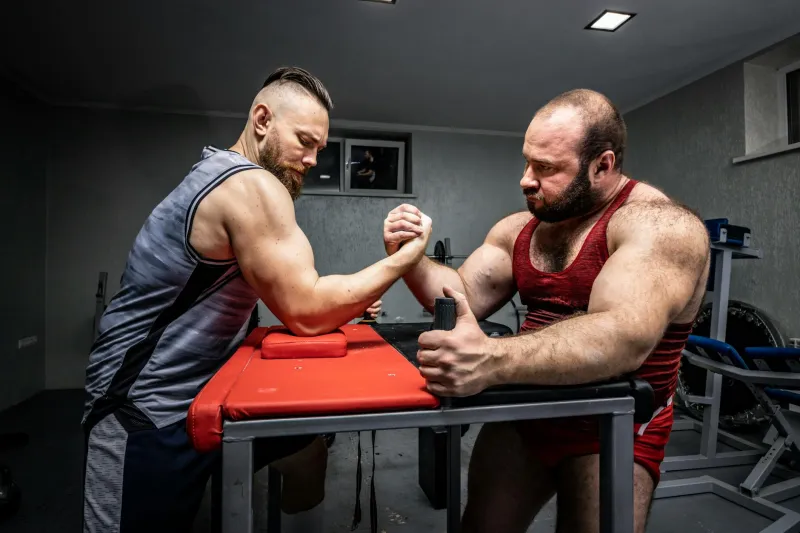
The Original CrossFit Gym Was a Sand Pit
Walk into any American gym today and you'll find rows of gleaming machines, carefully calibrated weights, and enough technology to launch a spacecraft. But 2,500 years ago in ancient Greece, the world's most dominant athletes were forging their strength in facilities that would make a modern fitness influencer weep: outdoor sand pits, rocky hillsides, and training grounds equipped with little more than heavy stones and human ingenuity.
Yet these "primitive" training methods produced athletes capable of feats that would impress even today's strength coaches. Ancient Greek wrestlers could grapple for hours in the blazing Mediterranean sun. Discus throwers developed rotational power that modern biomechanics experts are still trying to fully understand. And pankration fighters—practitioners of an ancient martial art that combined wrestling and boxing—built the kind of functional strength that today's mixed martial artists spend years trying to develop.
The question isn't whether ancient athletes were stronger than modern ones (they probably weren't, thanks to our superior nutrition and training science). The question is how they managed to build such impressive strength and conditioning using methods that would seem laughably basic by today's standards.
Stone Age Strength Training
The foundation of ancient Greek strength training was surprisingly sophisticated, even if the equipment was crude. Greek athletes understood concepts that modern exercise science has only recently rediscovered: progressive overload, functional movement patterns, and the importance of training specificity.
Take the legendary training method of Milo of Croton, a wrestler who dominated the ancient Olympics for over two decades. According to legend, Milo built his strength by carrying a calf on his shoulders every day. As the calf grew into a bull, Milo's strength grew proportionally. Whether or not the story is literally true, it perfectly illustrates the Greek understanding of progressive overload—the principle that muscles must be consistently challenged with increasing resistance to continue growing stronger.
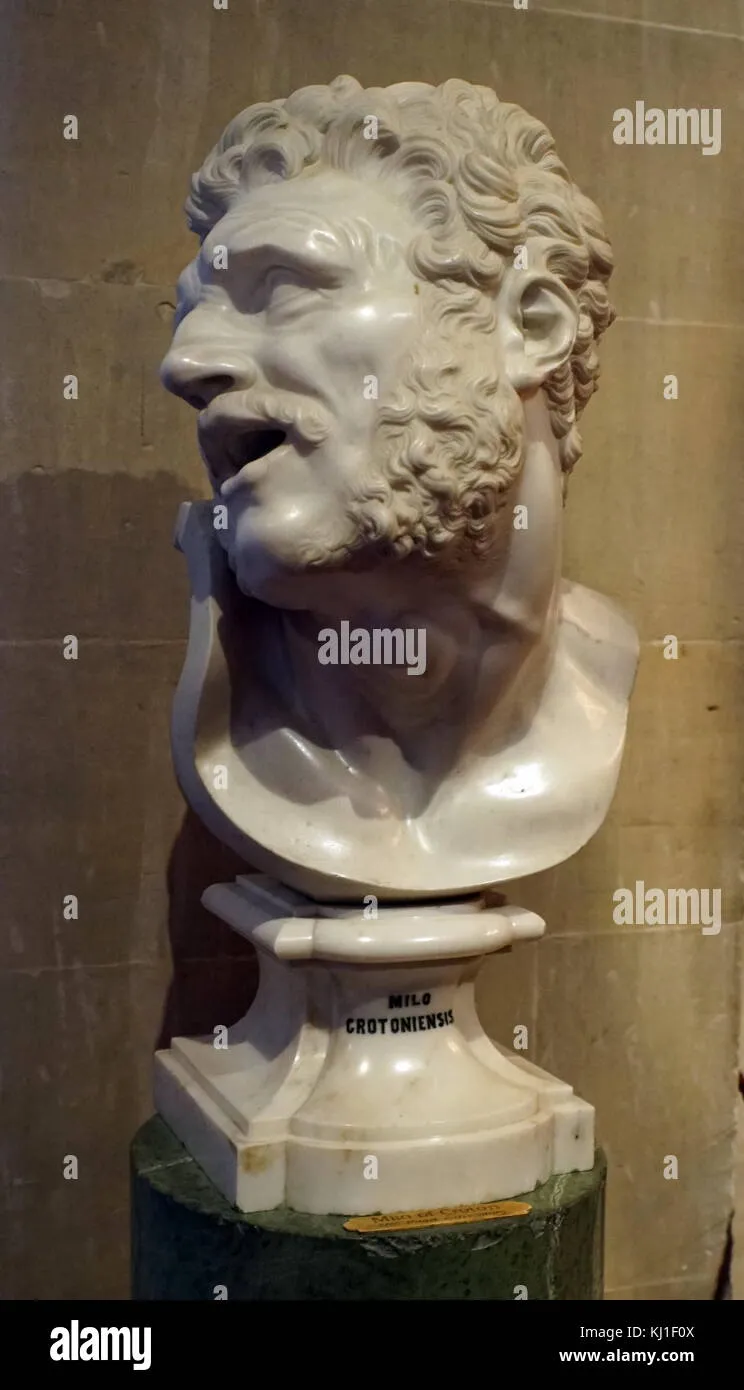 Photo: Milo of Croton, via www.alamy.com
Greek athletes also used lifting stones of various weights, much like modern strongmen use atlas stones. But instead of standardized equipment, they worked with whatever rocks they could find, developing the kind of grip strength and core stability that comes from handling awkward, uneven loads. This functional approach to strength training meant that Greek athletes developed power that translated directly to their competitive events.
The Wrestling Revolution
Wrestling was the cornerstone of ancient Greek athletic training, and for good reason. It developed every physical quality an athlete needed: strength, endurance, flexibility, balance, and mental toughness. The training methods were as brutal as they were effective.
Greek wrestlers practiced in skamma—sand pits that were deliberately kept soft and deep to increase the difficulty of movement. Imagine trying to execute takedowns and throws while your feet are sinking into sand that's been churned up by dozens of previous training partners. Every movement required maximum effort, building the kind of strength endurance that modern athletes achieve through complex periodization programs.
The wrestlers also practiced a training method called klimax, which involved climbing ropes and poles to develop upper body and grip strength. Sound familiar? Modern CrossFit gyms have "rediscovered" rope climbing as one of the most effective functional strength exercises, but Greek athletes were using it as a cornerstone of their training 25 centuries ago.
Nutrition Without Science
Ancient Greek athletes also understood the connection between diet and performance, even without modern nutritional science. They followed carefully planned eating regimens that emphasized foods we now know are ideal for strength and muscle building: lean meats, fish, cheese, and various grains.
The famous wrestler Theagenes of Thasos reportedly ate 20 pounds of meat, 20 pounds of bread, and drank 18 pints of wine daily during his competitive career. While those numbers might be exaggerated, they reflect an understanding that serious athletes needed serious fuel—a concept that wouldn't be scientifically validated until the 20th century.
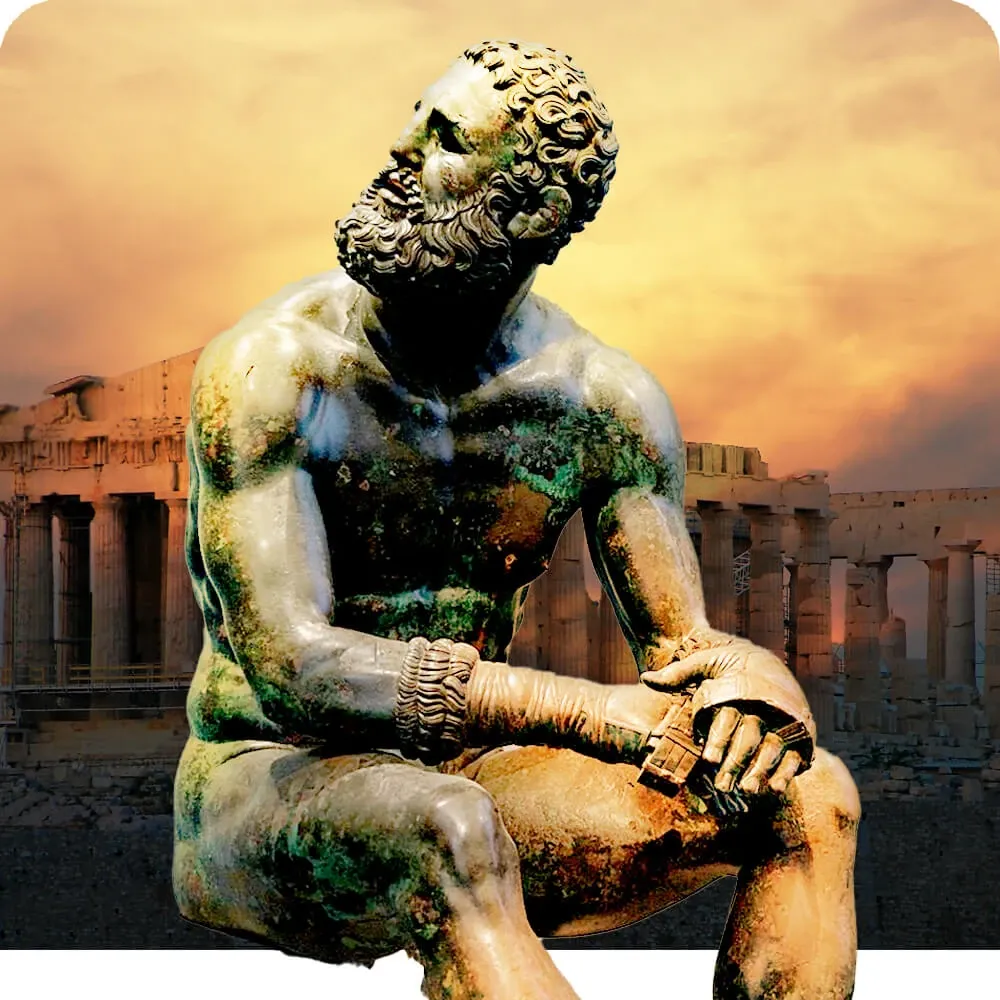 Photo: Theagenes of Thasos, via static.wikia.nocookie.net
Greek athletes also practiced strategic fasting and used various herbal supplements, showing an early understanding of how nutrition timing and supplementation could enhance performance. They didn't have protein powder, but they had cheese. They didn't have creatine, but they had specific training diets designed to maximize strength and recovery.
The Mental Game
Perhaps the most sophisticated aspect of ancient Greek training was its emphasis on mental conditioning. Greek athletes understood that physical strength was meaningless without mental toughness, and they developed training methods specifically designed to build psychological resilience.
Athletes trained in extreme weather conditions—blazing summer heat and bitter winter cold—to develop the mental fortitude needed for competition. They practiced visualization techniques and used music and poetry to get into the proper mindset for training and competition.
The concept of "no pain, no gain" wasn't just a modern fitness slogan—it was a fundamental principle of ancient Greek athletic philosophy. Athletes were expected to push through discomfort and embrace suffering as a necessary part of improvement. This mental approach to training may have been their greatest strength-building tool of all.
From Ancient Wisdom to Modern Science
So what can modern American athletes learn from these ancient training methods? Quite a lot, it turns out.
First, the Greek emphasis on functional movement patterns over isolated muscle training has been validated by modern sports science. Today's top strength coaches emphasize compound movements, unilateral training, and exercises that mimic sport-specific movement patterns—exactly what Greek athletes were doing with their stone lifting, wrestling, and climbing.
Second, the ancient Greek understanding of progressive overload and training specificity remains the foundation of effective strength training today. The principles haven't changed, even if the equipment has gotten fancier.
Finally, the Greek integration of mental and physical training is something modern athletes are still trying to master. The ancient understanding that strength comes from the mind as much as the muscles is finally being recognized by contemporary sports psychology.
The Timeless Truth About Strength
The real lesson from ancient Greek training isn't about specific exercises or techniques—it's about the fundamental truth that building strength requires consistency, progressivity, and a willingness to embrace discomfort. Greek athletes understood that there are no shortcuts to genuine strength, whether you're lifting stones in ancient Olympia or barbells in modern America.
They also understood something that our equipment-obsessed fitness culture sometimes forgets: the most important training tool is the one between your ears. Mental toughness, discipline, and the ability to push through barriers are what separate good athletes from great ones, regardless of the era.
Modern sports science has given us incredible tools for measuring, tracking, and optimizing athletic performance. But the ancient Greeks proved that with nothing more than rocks, sand, and an uncompromising commitment to excellence, human beings can achieve remarkable feats of strength and endurance. In many ways, we're still chasing the same goals they pursued 2,500 years ago—we've just gotten better equipment for the journey.