Words as Weapons: How Ancient Greek Athletes Perfected the Art of Pre-Game Intimidation
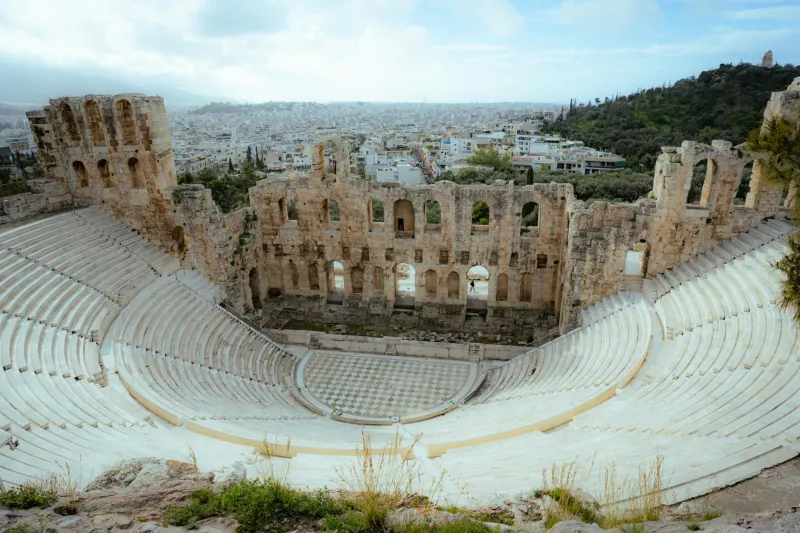
The Theater Before the Competition
When LeBron James declares himself "The King" or when Conor McGregor delivers a blistering pre-fight monologue, they're unknowingly channeling a tradition that stretches back 2,800 years to the dusty grounds of ancient Olympia. Long before trash talk became synonymous with modern sports entertainment, Greek athletes were perfecting the psychological warfare that we recognize today as an integral part of elite competition.
In ancient Greece, athletic competition wasn't just about physical prowess — it was a complete performance that included what the Greeks called "logoi agonistikoi," or competitive speeches. These weren't casual taunts shouted across a gymnasium. They were formal, structured verbal competitions that served as both entertainment and strategic psychological manipulation.
The Rules of Ancient Verbal Combat
The Greeks approached competitive speaking with the same systematic rigor they applied to discus throwing or wrestling. Athletes would study rhetoric and public speaking as intensively as they trained their bodies. The goal wasn't merely to insult opponents, but to craft speeches that would accomplish three specific objectives: elevate their own reputation, diminish their rival's confidence, and energize the crowd in their favor.
These verbal duels followed established conventions. Athletes would reference their previous victories, invoke the favor of specific gods, and often employ elaborate metaphors comparing themselves to legendary heroes or powerful animals. A sprinter might compare himself to Hermes, the messenger god known for his speed, while a wrestler could invoke the strength of Heracles.
The sophistication of these speeches was remarkable. Rather than relying on crude insults, athletes would employ complex wordplay, historical references, and poetic devices. They understood that a well-crafted verbal attack could be more devastating than any physical blow — and the judges appreciated the intellectual artistry involved.
When Words Became Weapons
The psychological impact of these pre-competition speeches was taken seriously by both athletes and spectators. Greek philosophers and physicians of the time wrote extensively about how verbal dominance could affect an opponent's physical performance. They understood what modern sports psychology has confirmed: that confidence and mental state directly influence athletic ability.
One recorded example tells of a boxer who delivered such a devastating pre-fight speech that his opponent allegedly withdrew from competition rather than face both the verbal humiliation and physical contest. The crowd's reaction to these speeches could be so intense that some athletes gained victories through verbal intimidation alone.
The judges at ancient Olympic Games didn't just tolerate this verbal sparring — they actively encouraged it. They recognized that the speeches added an intellectual dimension to the competition that elevated athletics beyond mere physical contests. The ability to articulate one's superiority was considered as much a mark of excellence as running speed or throwing distance.
The DNA of Modern Sports Theater
When Muhammad Ali proclaimed "I am the greatest!" before his fights, he was unconsciously echoing the competitive speeches of ancient Greek boxers. When NBA players engage in elaborate pre-game rituals of verbal posturing, they're participating in a tradition that predates basketball by millennia. Even the structured format of modern press conferences — where athletes make bold predictions and analyze their opponents' weaknesses — mirrors the formal speeches of ancient Olympia.
The key difference is that modern athletes often treat trash talk as optional entertainment, while ancient Greeks considered it an essential component of athletic excellence. They believed that a true champion needed to dominate not just physically, but intellectually and verbally as well.
The Lost Art of Athletic Eloquence
What's fascinating is how the ancient approach was far more sophisticated than most modern sports rhetoric. While today's trash talk often relies on repetitive insults or manufactured controversies, ancient Greek athletes were expected to demonstrate genuine wit, creativity, and intellectual depth in their competitive speeches.
They studied under the same rhetoric teachers who trained politicians and philosophers. The result was a level of verbal competition that was simultaneously entertaining, psychologically strategic, and intellectually impressive. These weren't just athletes talking — they were artists of language engaging in verbal combat at the highest level.
The Eternal Appeal of Competitive Theater
The enduring popularity of sports trash talk reveals something fundamental about human nature and competition. From ancient Olympia to modern arenas, audiences have always been drawn to the complete drama of athletic contest — not just the physical performance, but the personalities, rivalries, and verbal sparring that create compelling narratives.
The ancient Greeks understood that sports are ultimately about storytelling, and that the most memorable competitions involve athletes who can craft and sell their own legends through words as effectively as they can through physical achievement. In recognizing competitive speech as a legitimate aspect of athletic excellence, they created a template that continues to captivate audiences today, even when we don't realize we're watching an ancient Greek tradition play out on modern stages.
Every time an athlete steps up to a microphone and boldly predicts victory, they're participating in a form of competition that began in the shadow of Mount Olympus, where words were considered as powerful as any weapon in an athlete's arsenal.