Small Champions, Big Dreams: How Ancient Greece Invented Youth Sports and Changed Everything
The Game-Changing Decision
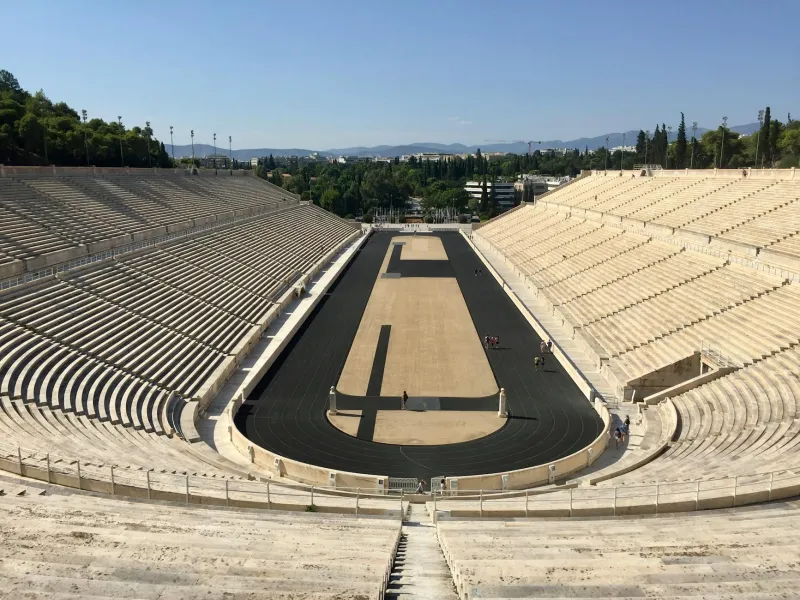
Somewhere around 632 BC, Olympic officials made a decision that would reshape athletic competition forever. For the first time in Olympic history, they created a separate race exclusively for boys under 18. It seems like such an obvious idea now, but at the time, it was revolutionary: the formal recognition that young athletes deserved their own stage, their own competition, their own chance at glory.
That single event — a boys' stadion race — planted the seed for every youth sports league in America today. From Little League World Series champions to high school state champions to the thousands of kids playing in youth soccer leagues across the country, they're all participating in a tradition that started when ancient Greeks decided that athletic competition shouldn't be limited to fully grown men.
Defining the Young Athlete
The Greeks didn't just randomly decide to include younger competitors — they developed sophisticated systems for determining who qualified as a "boy" versus a "man." This wasn't as simple as checking a birth certificate, since accurate record-keeping of birthdates was rare in the ancient world.
Instead, Greek officials used a combination of physical development markers and age estimation techniques. They looked at factors like facial hair growth, voice changes, and overall physical maturity. In some cities, they even had specific officials whose job was to examine young athletes and determine their eligibility for youth competitions.
This process was surprisingly similar to modern age verification systems used in youth sports today. Just as Little League officials check birth certificates and USA Swimming requires documentation for age-group competitions, the Greeks understood that fair competition required clear age categories.
The typical age range for "boys" in ancient Greek competition was roughly 12 to 18, though this varied by location and sport. Wrestling and boxing had stricter age limits than running events, recognizing that combat sports posed greater risks for younger athletes — a principle that still guides youth sports safety policies today.
More Than Just Mini Olympics
As the concept of youth competition spread across Greece, it evolved into something much more sophisticated than simply scaled-down adult events. Different cities developed their own youth-focused festivals and competitions, creating what was essentially the world's first organized youth sports circuit.
The Panathenaic Games in Athens, for example, featured elaborate youth competitions with age-specific events and prizes. Young athletes could compete in running, wrestling, boxing, and even musical competitions — recognizing that athletic and artistic development often went hand in hand.
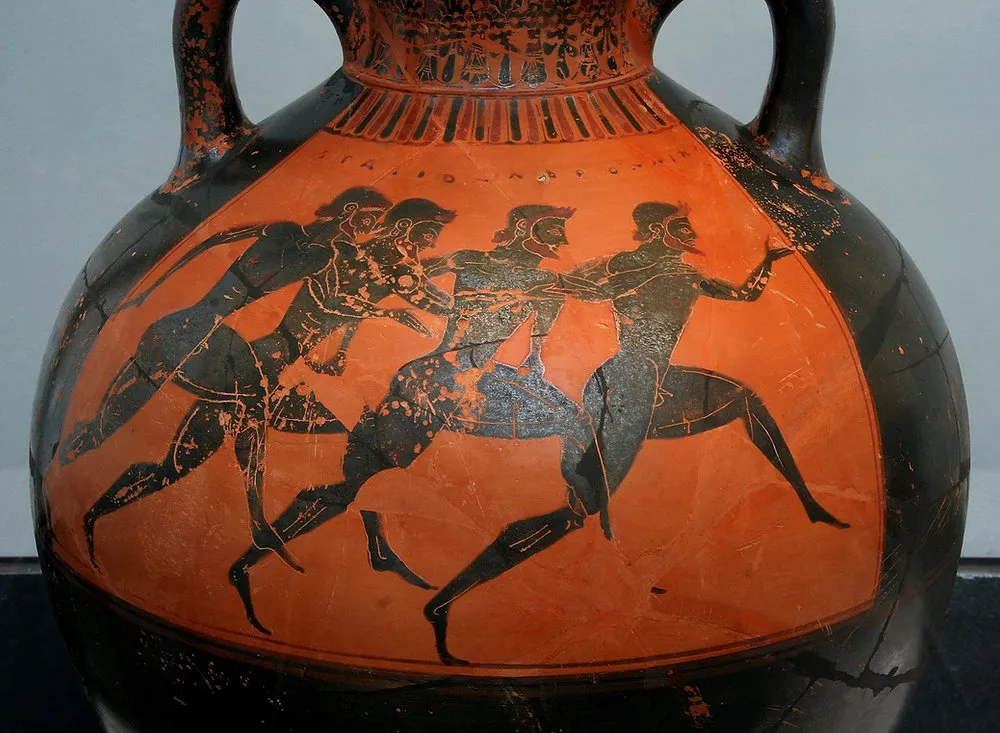 Photo: Panathenaic Games, via static.wixstatic.com
What's remarkable is how closely this resembled modern American youth sports culture. Just as today's young athletes might compete in multiple sports across different seasons, ancient Greek youth participated in various competitions throughout the year, building skills and gaining experience before potentially advancing to adult-level competition.
The Training Revolution
The emergence of youth competition fundamentally changed how Greeks approached athletic training. For the first time, systematic training programs were developed specifically for younger athletes, taking into account their physical and mental development needs.
Greek trainers — the ancient equivalent of today's youth coaches — began specializing in working with younger athletes. They developed age-appropriate training methods, understood the importance of gradual skill development, and recognized that young athletes required different motivational approaches than adults.
This specialization created the foundation for modern youth coaching. The same principles that guided ancient Greek youth trainers — emphasizing proper technique over raw power, building confidence through achievable goals, and understanding developmental stages — are still taught in youth coaching certification programs today.
The Pathway to Greatness
Perhaps most importantly, the Greeks created the concept of youth sports as a pathway to elite competition. Success in youth events became a predictor of future Olympic potential, creating the first systematic talent identification and development system in sports history.
Young athletes who showed promise in local youth competitions would be recruited by wealthy patrons or city-states, who would fund their training and travel expenses. This was essentially the ancient version of modern athletic scholarships and youth development academies.
Some of ancient Greece's greatest Olympic champions first made their mark in youth competitions. The legendary wrestler Milo of Croton, who won six Olympic titles, reportedly first gained attention as a dominant youth competitor. This established the pattern of athletic development that we still see today, where future professional stars often emerge from youth competition.
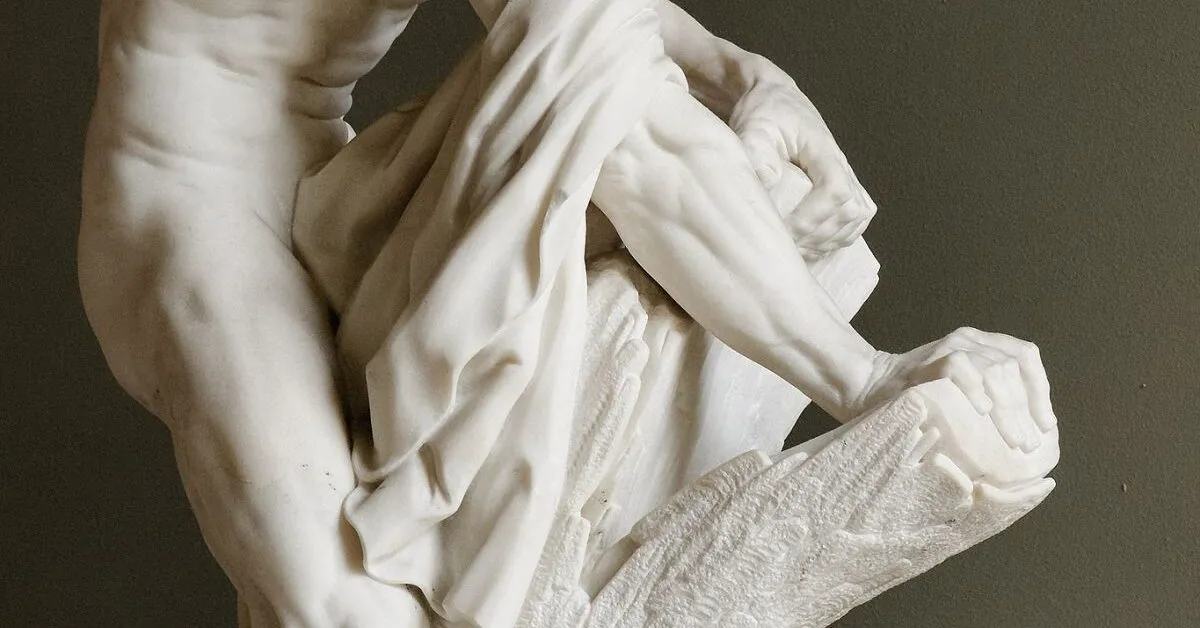 Photo: Milo of Croton, via imperiumromanum.pl
Building Character, Not Just Champions
The Greeks understood that youth athletics served purposes beyond simply identifying future Olympic champions. Youth competition was seen as crucial for character development, teaching values like discipline, perseverance, and fair play that would serve young people throughout their lives.
This holistic approach to youth athletics directly influenced the educational philosophy that underlies American high school and college sports today. The idea that athletic participation builds character and teaches life lessons — now a cornerstone of arguments for funding school sports programs — originated with those ancient Greek youth competitions.
Greek philosophers like Plato wrote extensively about the educational value of youth athletics, arguing that physical training was essential for developing well-rounded citizens. This philosophical foundation still echoes in modern justifications for youth sports programs, from building teamwork skills to teaching goal-setting and time management.
 Photo: Plato, via img.freepik.com
The Modern Legacy
Today's American youth sports landscape — with its age-group competitions, specialized coaching, talent identification systems, and character-building emphasis — is a direct descendant of innovations first introduced in ancient Greece.
When a 12-year-old pitcher takes the mound at the Little League World Series, she's participating in a tradition that stretches back 2,600 years. When high school athletes compete for state championships, they're following a competitive structure that the Greeks pioneered. When parents invest in youth sports hoping to develop their children's character and potentially earn college scholarships, they're embracing a philosophy that ancient Greece established.
The scale has certainly changed — youth sports is now a multi-billion dollar industry in America — but the fundamental concepts remain the same. The Greeks gave us the revolutionary idea that young athletes deserved their own competitions, their own pathways to excellence, and their own opportunities to learn and grow through sport.
Every time a young athlete steps onto a field, court, or track, they're proving that the ancient Greeks were right: champions aren't born fully formed. They're developed, nurtured, and given opportunities to succeed at their own level before they're ready to take on the world.
In creating youth competition, ancient Greece didn't just add another category to their athletic festivals — they fundamentally changed how society thinks about athletic development, creating a system that continues to shape millions of young lives today.