From Greek Goatherds to March Madness: How Ancient Olympia Created America's Greatest Sports Story
From Greek Goatherds to March Madness: How Ancient Olympia Created America's Greatest Sports Story
Every March, millions of Americans fill out NCAA tournament brackets, inevitably picking at least one 12-seed to upset a 5-seed, dreaming of that perfect Cinderella story. Every Super Bowl, we root for the team with longer odds. Every Olympics, we celebrate swimmers from tiny nations who somehow find their way onto the podium.
 Photo: Ancient Olympia, via www.visit-olympia.gr
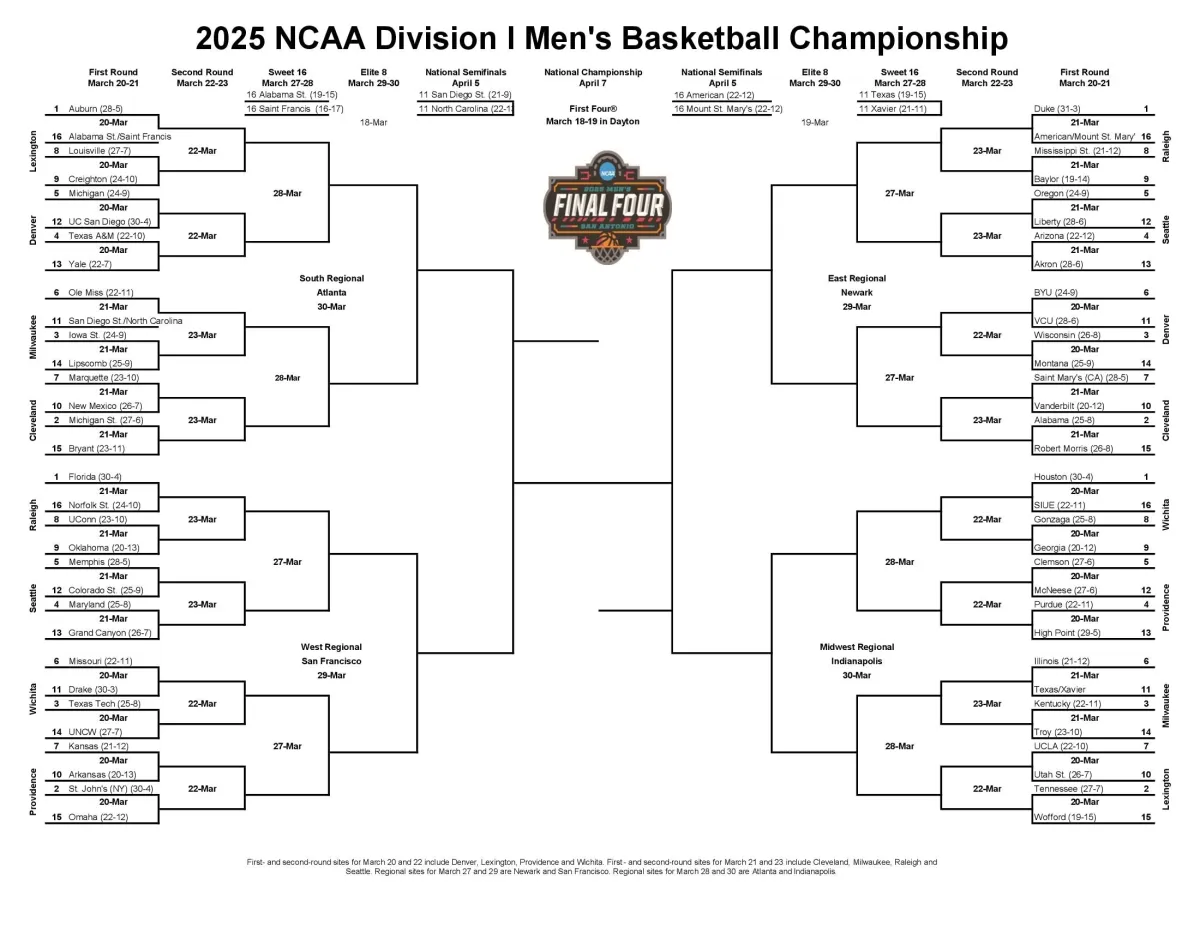 Photo: NCAA tournament, via www.ncaa.com
We think this obsession with the underdog is uniquely American—part of our national DNA that celebrates the little guy taking down Goliath. But the truth is more ancient and more universal: we inherited our love of the underdog story from the original Olympic Games in Greece, where unknown athletes from forgotten city-states regularly shocked the ancient world by toppling celebrated champions.
The underdog narrative isn't just America's favorite sports story. It's sport's oldest story.
When Shepherds Became Champions
In 520 BC, a young man named Astylos arrived at Olympia from Croton, a relatively minor Greek colony in southern Italy. He wasn't expected to challenge the established sprinting champions from powerful city-states like Athens and Sparta. But Astylos didn't just compete—he dominated, winning both the stadion (sprint) and the diaulos (400-meter equivalent) at three consecutive Olympic Games.
His story reads like something from a Hollywood script: the unknown athlete from nowhere, training in obscurity, arriving at the biggest stage to claim victory against impossible odds. Sound familiar? It should. This narrative template has been replaying in American sports for over a century.
The 1980 U.S. Olympic hockey team's "Miracle on Ice" follows the exact same arc. Unknown college players from America, a country barely competitive in international hockey, somehow defeating the seemingly invincible Soviet Union. The story resonated so deeply because it tapped into something primal—the same thrill ancient Greeks felt when Astylos shocked the athletic world.
 Photo: Soviet Union, via www.shutterstock.com
The Geographic Advantage of Being Overlooked
Ancient Greece's political structure created the perfect breeding ground for underdog stories. Unlike today's centralized Olympic system, the ancient Games drew athletes from hundreds of independent city-states scattered across the Mediterranean. Some, like Athens and Sparta, were wealthy and powerful, able to support full-time athletes with the best training and nutrition.
Others were small, remote communities where athletic training happened between farming and fishing. These athletes arrived at Olympia with everything to gain and nothing to lose—a psychological advantage that modern sports psychology recognizes as incredibly powerful.
This mirrors perfectly how college basketball's March Madness creates underdog magic. Small schools like Butler, VCU, and Loyola Chicago don't have the resources of Duke or Kentucky, but they also don't have the pressure. When you're supposed to lose, every victory feels miraculous.
The Original David vs. Goliath
The most famous underdog story from ancient Olympics involves Diagoras of Rhodes, but not in the way you might expect. Diagoras was actually a champion—a boxing legend who won at Olympia in 464 BC. The underdog story belongs to his sons and grandsons, who competed decades later when the family name had faded from memory.
By the time his sons Damagetos and Akousilaos reached Olympic competition, they were fighting in the shadow of their father's legacy, expected to fail because champions' children rarely matched their parents' success. Instead, both sons won Olympic crowns in boxing and pankration, creating one of the most celebrated family dynasties in Olympic history.
This "sons of champions" narrative has played out repeatedly in American sports. Ken Griffey Jr. had to prove he wasn't just riding his father's coattails. Steph Curry overcame being "too small" and "not athletic enough" despite his father Dell's NBA career. The pressure of expectations can create underdogs even among the privileged.
Why Americans Perfected the Ancient Formula
While ancient Greece invented the underdog story, America refined it into an art form. Our national mythology celebrates the self-made individual triumphing against established power—the perfect setup for sporting underdogs.
Consider how American sports media covers these stories. When Leicester City won the Premier League in 2016 at 5,000-to-1 odds, American sports fans embraced the story more passionately than many English fans. We recognized the narrative immediately because it's woven into our sporting DNA.
The 1969 New York Mets, dubbed the "Miracle Mets," captured America's imagination not just because they won the World Series, but because they embodied the underdog spirit. A team that had been laughably bad for years suddenly became champions, proving that in America—and in sport—anything is possible.
The Science Behind Our Underdog Obsession
Modern psychology explains why underdog stories resonate so powerfully across cultures and centuries. Research shows that humans naturally sympathize with those facing long odds, a phenomenon called "underdog bias." We're hardwired to root for David against Goliath.
But there's something deeper happening in sports. When we watch underdogs compete, we're not just observing athletic competition—we're witnessing a fundamental human story about overcoming limitations, defying expectations, and achieving the impossible.
Ancient Greeks understood this instinctively. Their Olympic Games weren't just athletic competitions; they were religious festivals celebrating human potential. When an unknown athlete achieved greatness, it proved that the gods could elevate anyone—a message that resonated just as powerfully in ancient Olympia as it does in modern America.
The Underdog Blueprint Across Centuries
The essential elements of every great underdog story remain unchanged from ancient Greece to modern America:
The Setup: An unknown or dismissed competitor faces overwhelming odds against an established favorite.
The Struggle: Early setbacks or near-defeats that make victory seem impossible.
The Moment: A single performance or series of performances that defies all expectations.
The Triumph: Victory that transforms not just the winner, but our understanding of what's possible.
Whether it's Buster Douglas knocking out Mike Tyson, the 2007 New York Giants beating the undefeated Patriots, or an unknown Greek wrestler from a forgotten city-state claiming Olympic gold, the story structure remains identical.
March Madness: Ancient Greece's Greatest Export
No American sporting event celebrates the underdog story more perfectly than the NCAA basketball tournament. The single-elimination format, the David-vs-Goliath matchups, the Cinderella runs—it's all directly descended from the ancient Olympic model.
When a 15-seed upsets a 2-seed, American sports fans experience the same rush ancient Greeks felt when an athlete from a tiny island defeated champions from mighty Athens. The names and numbers have changed, but the emotional core remains identical.
The Eternal Return of the Underdog
Every four years, the modern Olympics remind us why the underdog story endures. We watch swimmers from nations without proper training facilities somehow reach finals. We see runners from war-torn countries compete against athletes with million-dollar support systems. We celebrate not because we expect them to win, but because their presence proves that sport's greatest power isn't determining the strongest or fastest—it's revealing the limitless potential of human determination.
This is ancient Greece's most enduring gift to American sports culture: the understanding that the most compelling victories aren't won by the strongest competitors, but by those who refuse to accept that strength alone determines destiny.
The next time you find yourself rooting for the underdog—whether it's a 12-seed in March Madness or a wild-card team in the playoffs—remember that you're participating in humanity's oldest sporting tradition. You're proving that 2,500 years after the last ancient Olympic Games, we still believe what those Greek spectators believed: that in sport, as in life, anything is possible.